

 START A CONVERSATION
Беларускае мецэнацтва мае доўгую традыцыю. Кнігі, адукацыя, мастацтва, архівы і культурныя інстытуцыі заўсёды развіваліся не толькі дзякуючы творцам, але і тым, хто браў на сябе адказнасць за ўмовы іх працы.
Клуб беларускіх мецэнатаў працягвае гэтую традыцыю ў сучасных умовах: праз прыватны фармат, экспертны адбор і гадавы ўдзел.
ДАВЕДАЦЦА ПРА ЎДЗЕЛ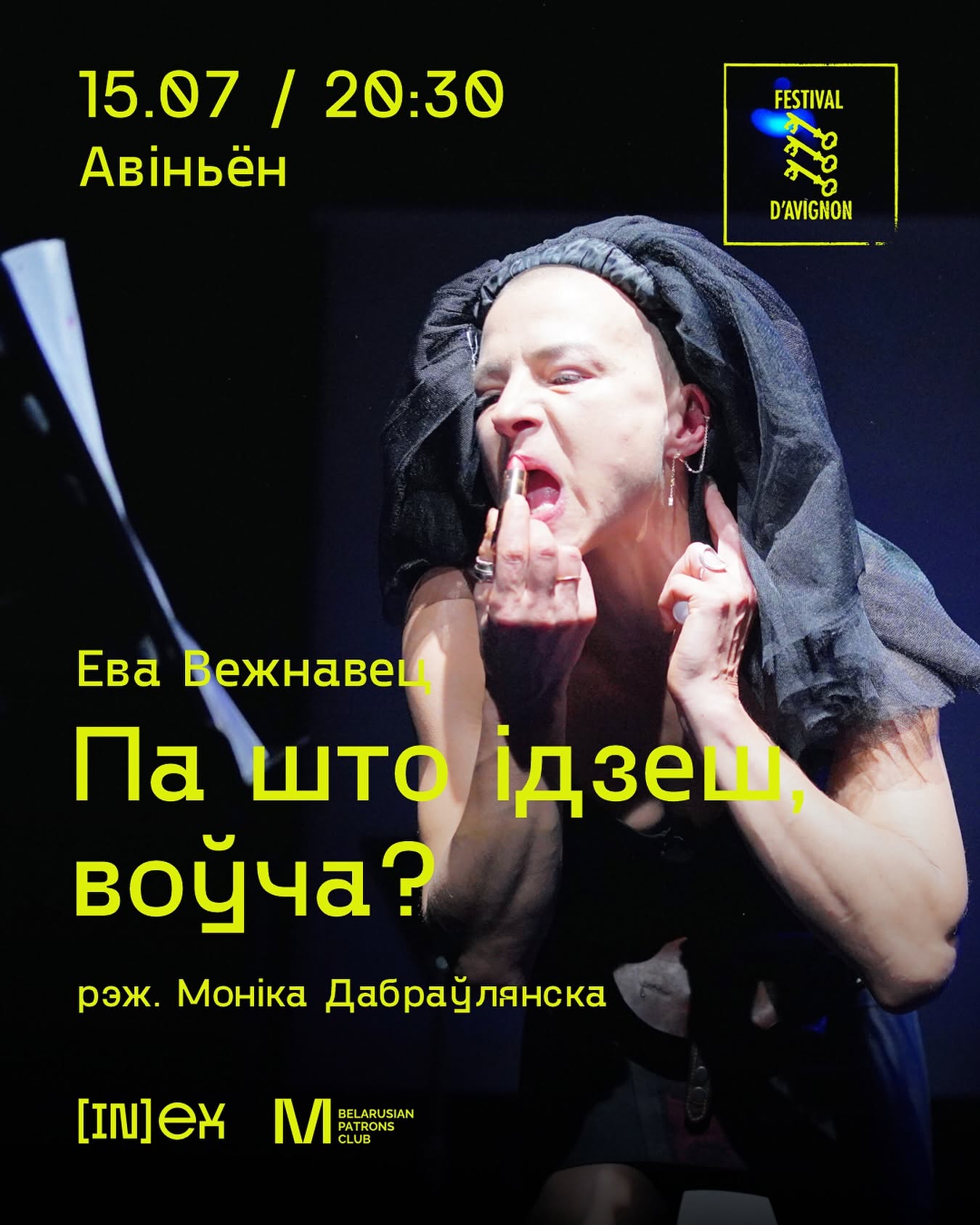
«Why Are You Going, Wolf?» is a play based on the novella by Eva Vezhnavets about a woman who returns to a devastated Belarusian village and confronts the memory and traumas of her homeland. Director and stage designer — Monika Dobrowlańska; producer and originator of the idea — Volha Kulikouskaya.
The Club supported the Belarusian theatre project's participation in the Festival d'Avignon, along with the logistics needed for the team's travel and the transport of props.
The play was performed in Avignon on 15 July 2025. The Belarusian theatre project gained the opportunity to reach an international audience and build new connections in the European theatre community.
Gronka is a crowdfunding platform for Belarusian projects and initiatives. It helps teams organise fundraising campaigns and attract private financing, building its own infrastructure to support Belarusian initiatives. The platform continues to operate online.
The club supported the team’s work during the transition to a new financial model, including working with project creators, development, communications, and technical infrastructure.
The support helped the platform continue operating and develop a more sustainable model that enables Belarusian projects to continue attracting private funding.
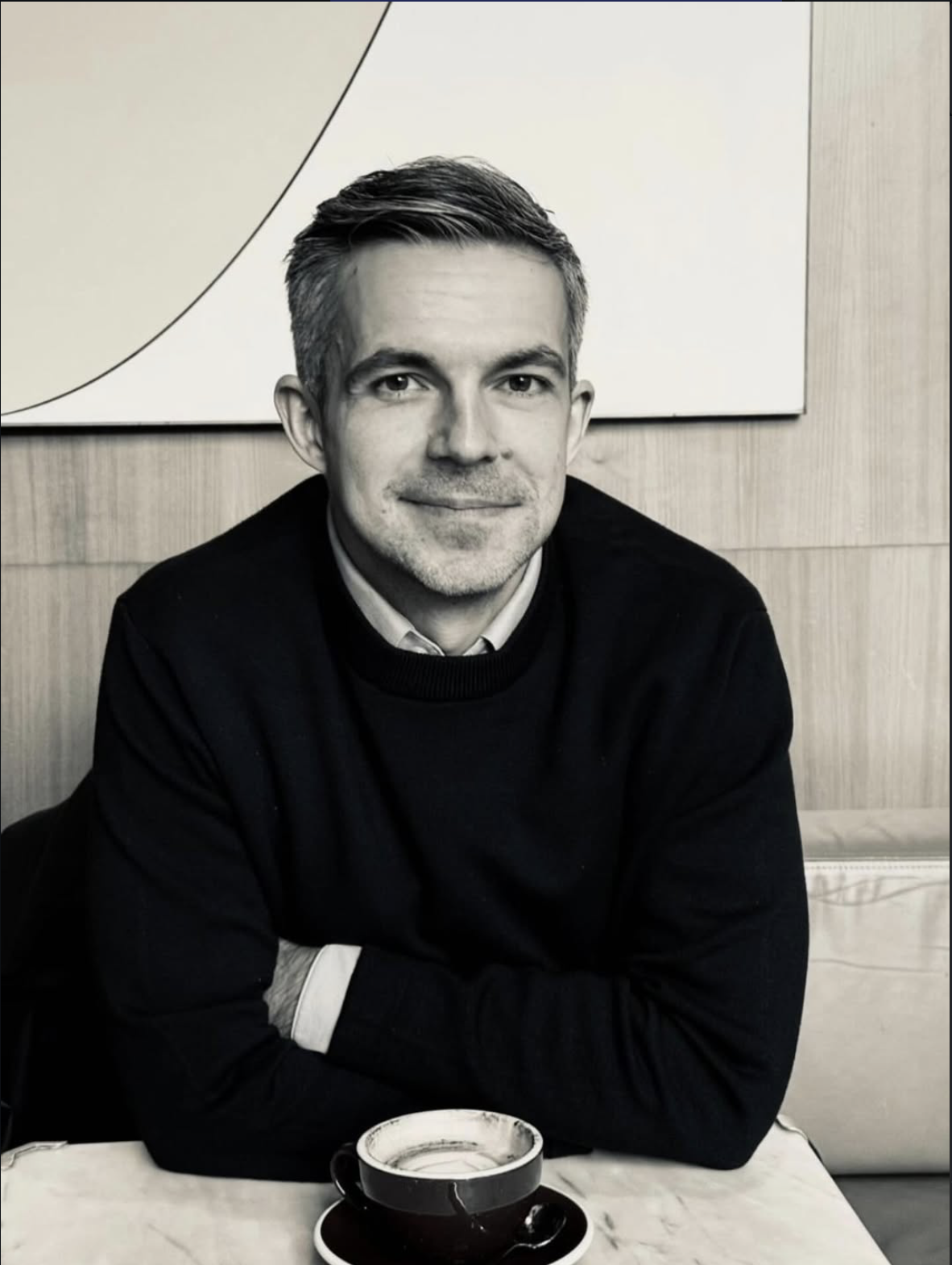
Sasha Filipenko is a Belarusian writer whose novels have been translated into numerous languages and published across Europe. The club supported one stage of his work on a new literary project.
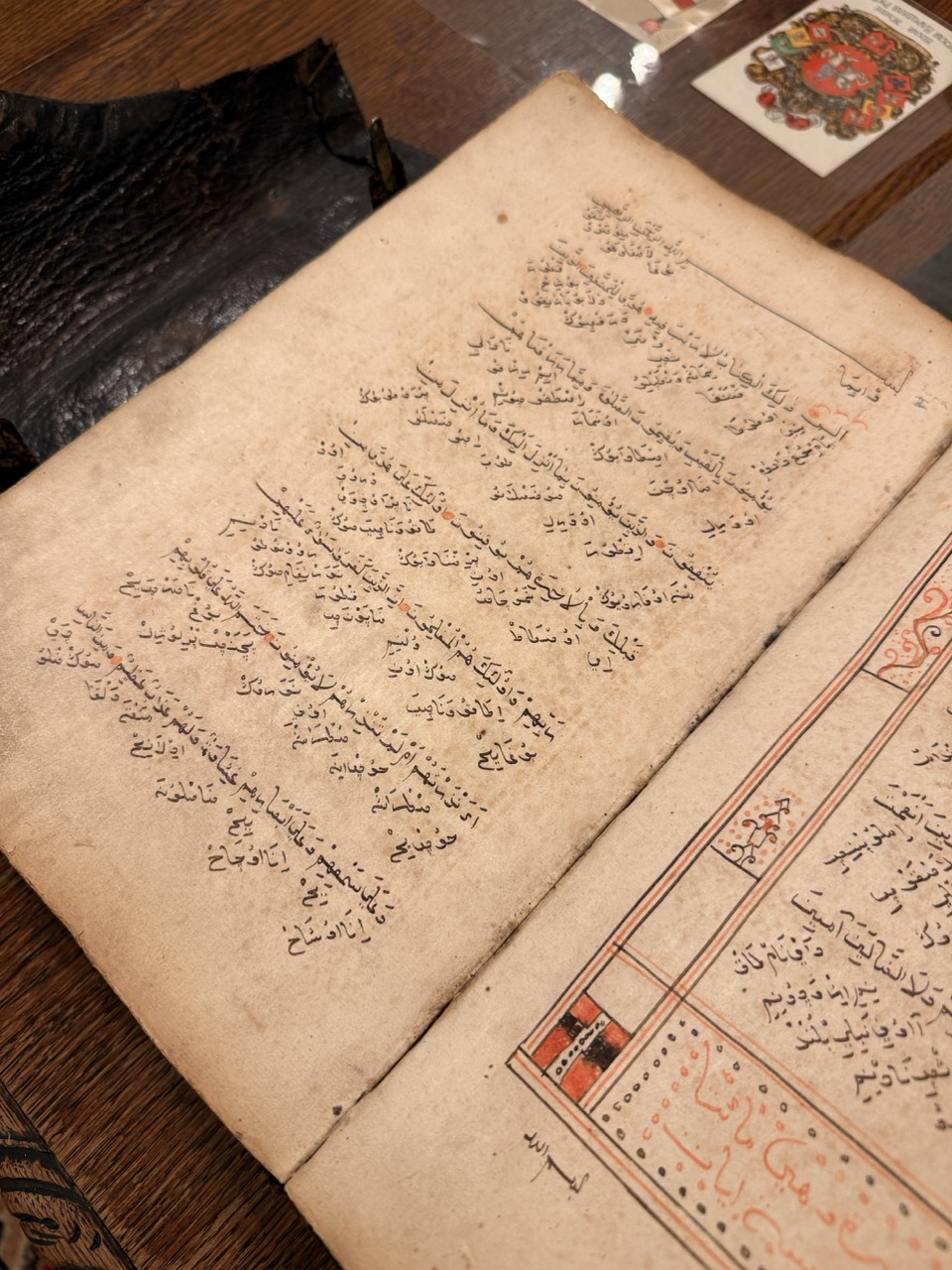
The Francis Skaryna Belarusian Library and Museum in London holds one of the most important collections of Belarusian studies materials outside Belarus: books, archives, works of art, and historical artefacts collected by several generations of the Belarusian diaspora. Today, the institution develops research, museum, and public programmes.
The Skaryna Library team, together with the Club’s managers, is developing a private support system for the institution, including different levels of participation, a communication model, and dedicated formats for members and patrons.
A structure for regular support is being developed, alongside a redesign of the library and plans for a campaign to attract new Skaryna Library members..
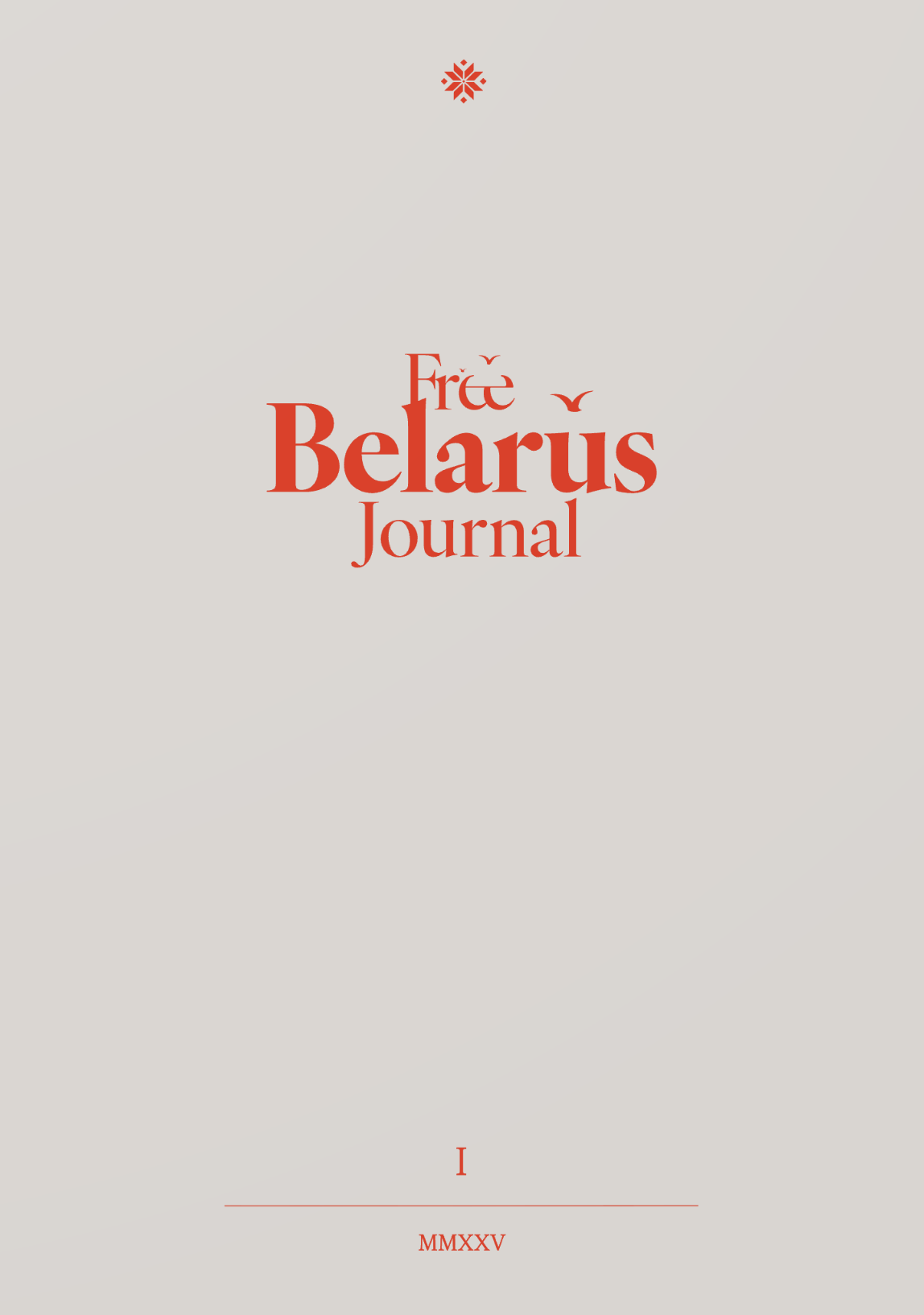
Free Belarus Journal – is an interdisciplinary academic journal of the Free Belarus University, founded in 2024. The journal focuses on research on Belarus in a European context and brings together work in philosophy, political science, law, sociology, technology, and culture. The initiative to establish the journal came from FBU Chancellor Aliaksandr Milinkevich. The first issue was published in 2025.
The Club supported the printing of the journal’s first edition and its presentation in Berlin at the International Congress of Belarusian Studies.
Free Belarus University gained its own publishing platform and released the first issue of a fully English-language Belarusian academic journal.
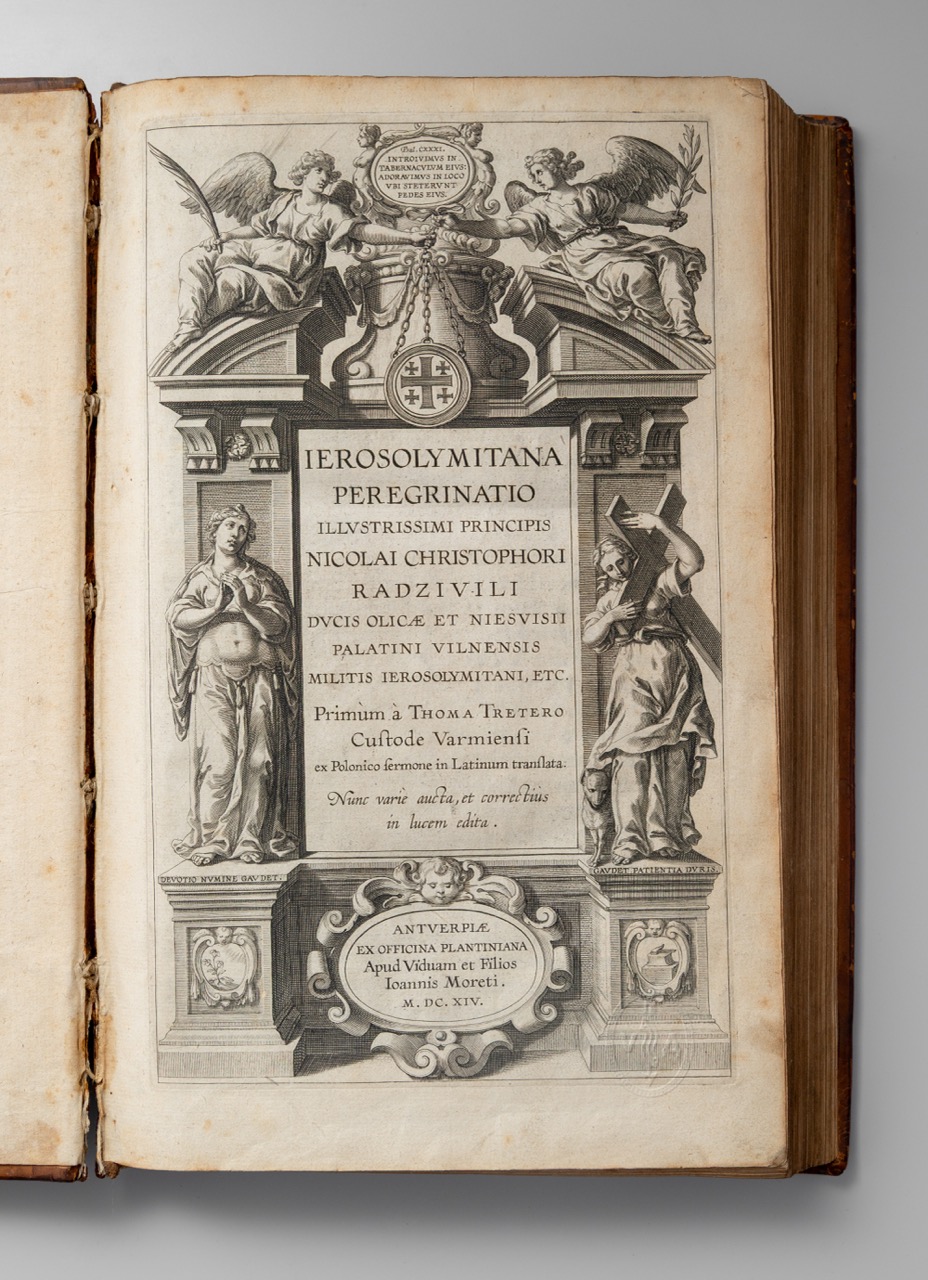
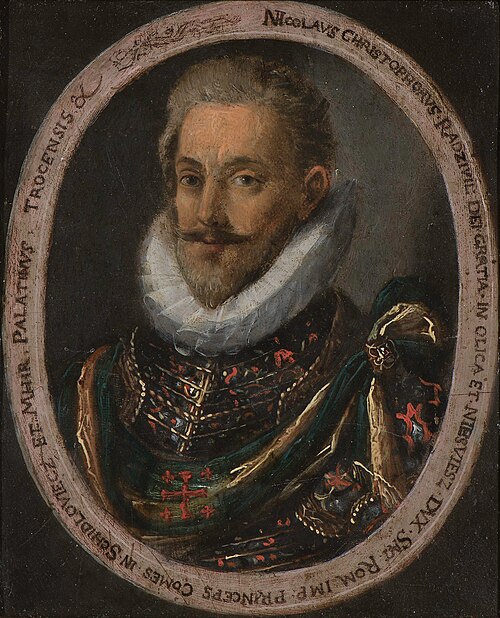
«Peregrinatio, or Pilgrimage to the Holy Land» is Mikalai Krzysztof Radziwiłł the Orphan's account of his journey to the Middle East and the Holy Land. The acquired copy was published in 1614 and is well preserved, one of the editions of one of the most celebrated works of travel literature from the Grand Duchy of Lithuania. Public sources also confirm the acquisition of the 1614 copy of “Peregrinatio” as part of the collection of historical artefacts.
The Club supported the acquisition of an original copy of the book in order to preserve it within the Belarusian cultural context.
The original 17th-century edition was acquired and preserved as part of Belarusian cultural heritage, available for public exhibitions, research, and educational projects.
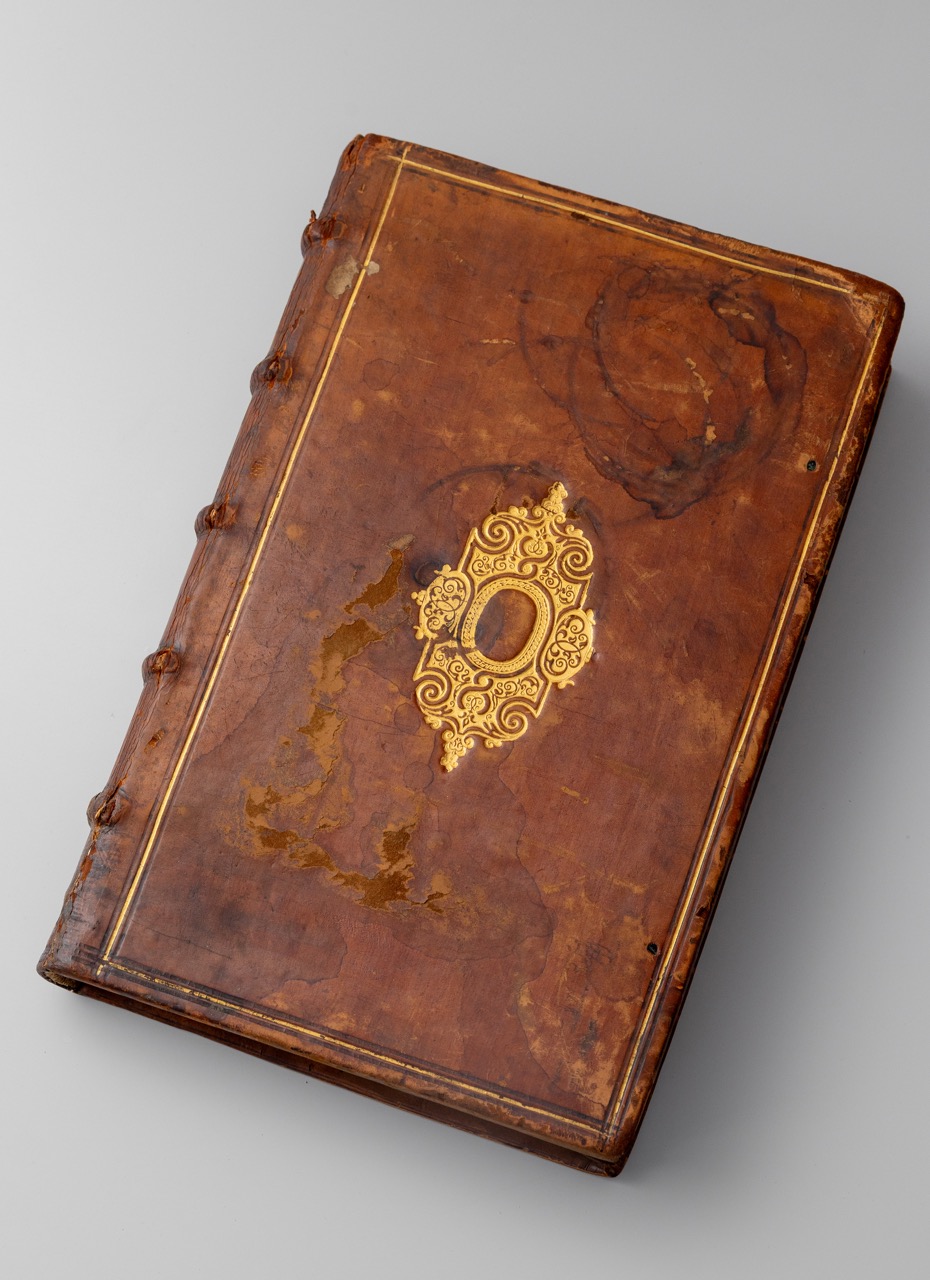
«Peregrinatio, or Pilgrimage to the Holy Land» is Mikalai Krzysztof Radziwiłł the Orphan's account of his journey to the Middle East. The work became one of the most celebrated monuments of travel literature of its time and has been repeatedly republished in various languages. The project involves translating the work into Belarusian from the Latin original and preparing a new edition.
The Club supported the work on the translation and preparation of the Belarusian-language edition of «Peregrinatio.»
Preparatory work on translating the text from Latin into Belarusian is underway.
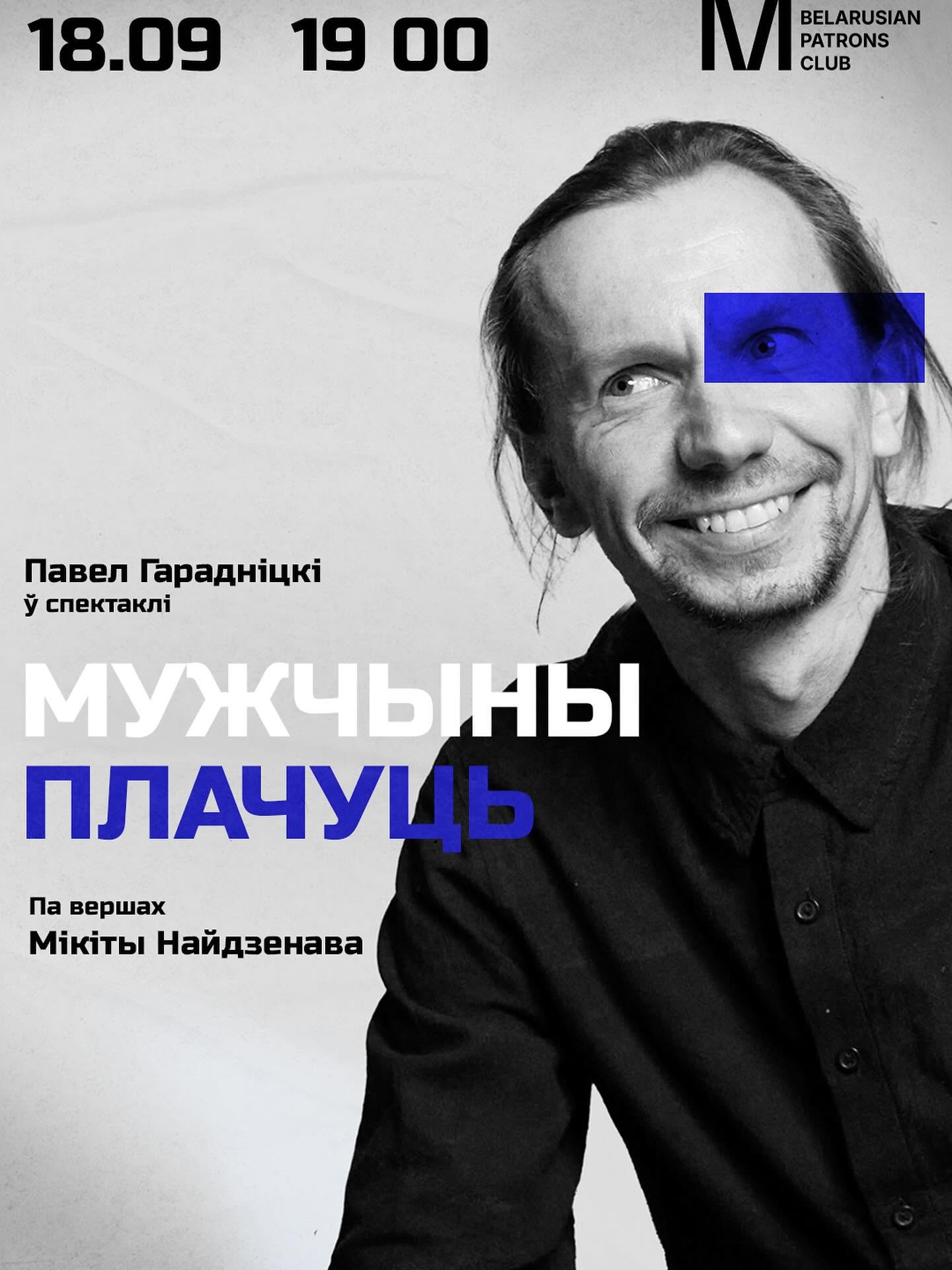
«Men do cry» is a one-man show by actor and musician Pavel Haradnitski, based on the poems of Belarusian poet Mikita Naidzenau. On stage: a single actor and a piano, which becomes a full-fledged part of the performance. The production deals with vulnerability, fear, tenderness, exhaustion, and the need to be heard. Premiered in Warsaw on 3rd July 2025.
The Club supported the creation and staging of the performance.
The performance was created and went on to a further stage life: further shows followed the Warsaw premiere.
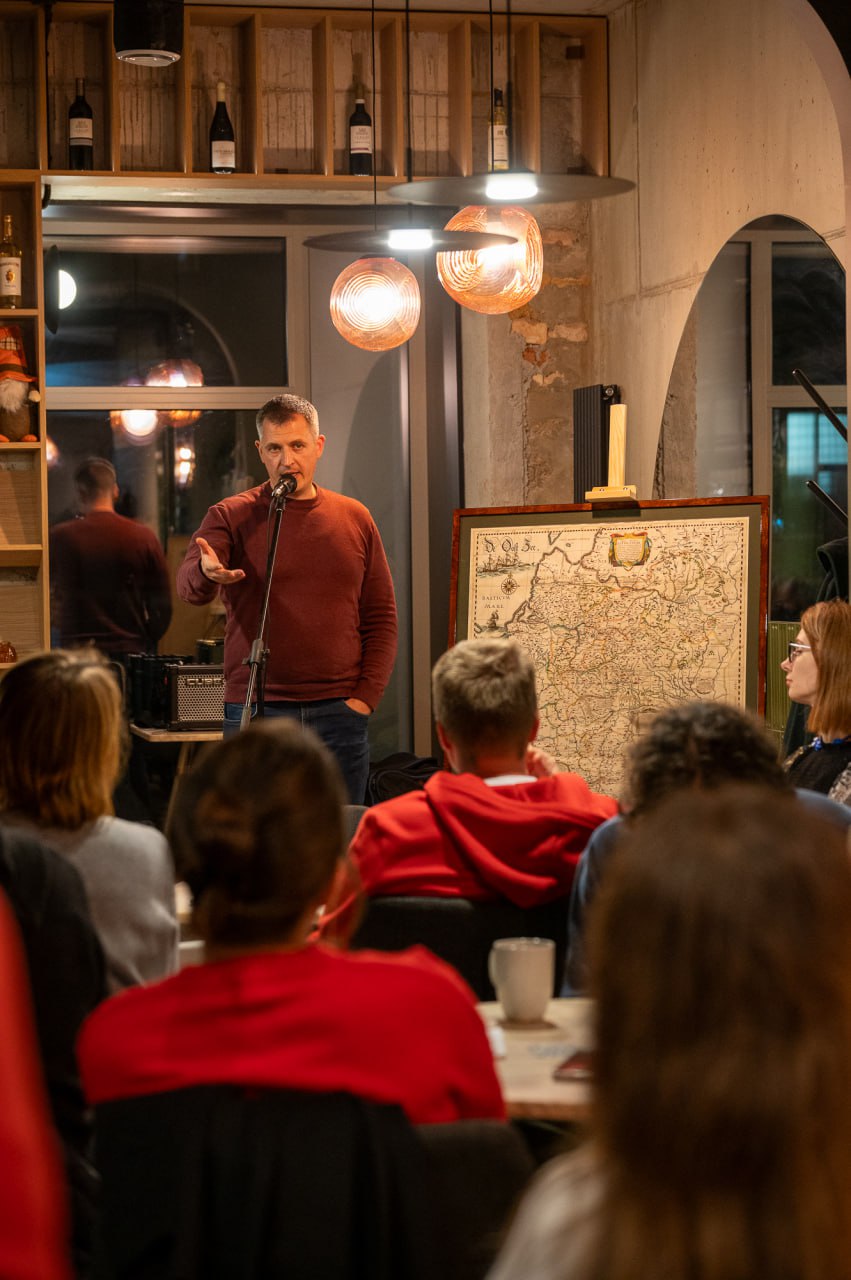
«Flying Museum» is a series of public gatherings devoted to Belarusian historical artefacts and their return into the cultural context. One of the programme's central objects has been the original 17th-century Radziwiłł map, around which popular historian Cimafei Akudovich gives lectures in various cities.
The Club supported the creation and development of the «Flying Museum,» including the public programme built around the Radziwiłł map.
Original historical artefacts became the basis for open educational gatherings. The «Flying Museum» holds displays and lectures in various cities, making Belarusian heritage accessible to audiences beyond the traditional museum space.
«Cultural Code» is a community for projects at the intersection of culture and digital technology, which grew out of a hackathon by the Belarusian Council for Culture and Imaguru. Through an open selection process, five teams were chosen for the mentorship programme and received individualised support from specialists to develop their projects.
The Club supported the three-month mentorship programme for the «Cultural Code» teams.
Five teams completed the three-month mentorship programme and presented the results of their work at a final pitch event in March 2025. Participants included KLIK, HOLAS, BelRead, and others.
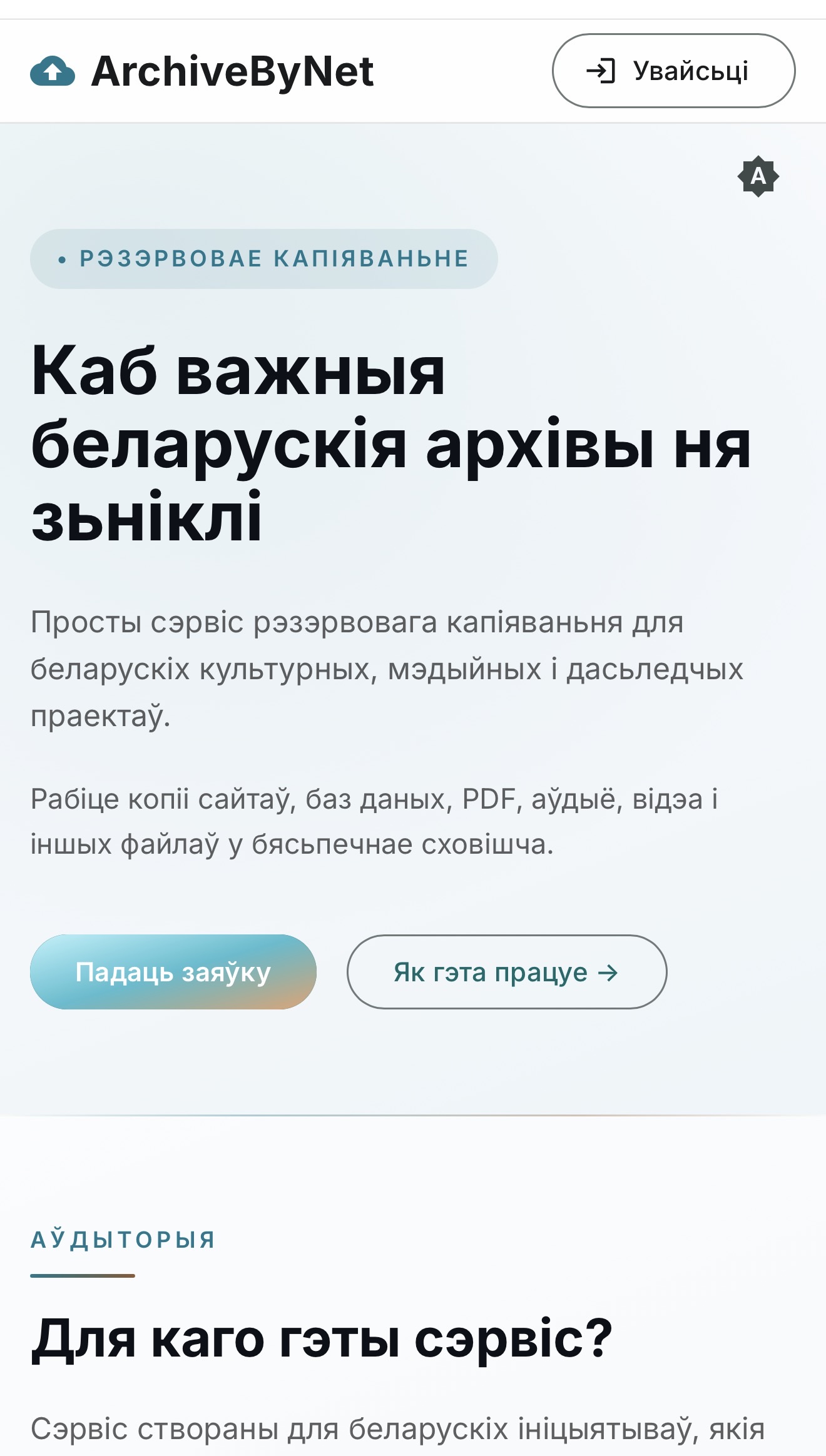
ArchiveByNet helps Belarusian initiatives preserve additional copies of websites, databases, documents, audio, video and other digital materials. The service is designed for projects that need reliable archival infrastructure but lack the resources to build and maintain it themselves.
Ivan Bakhtin’s project was developed and launched with the support from the Belarusian Patrons Club and the Belarusian Council for Culture. The Club supported the project at an early stage, as it moved from an idea to practical implementation.
In 2026, ArchiveByNet began operating as a free service for Belarusian projects. Initiatives can receive about 100 GB of storage to keep a backup copy of their materials.
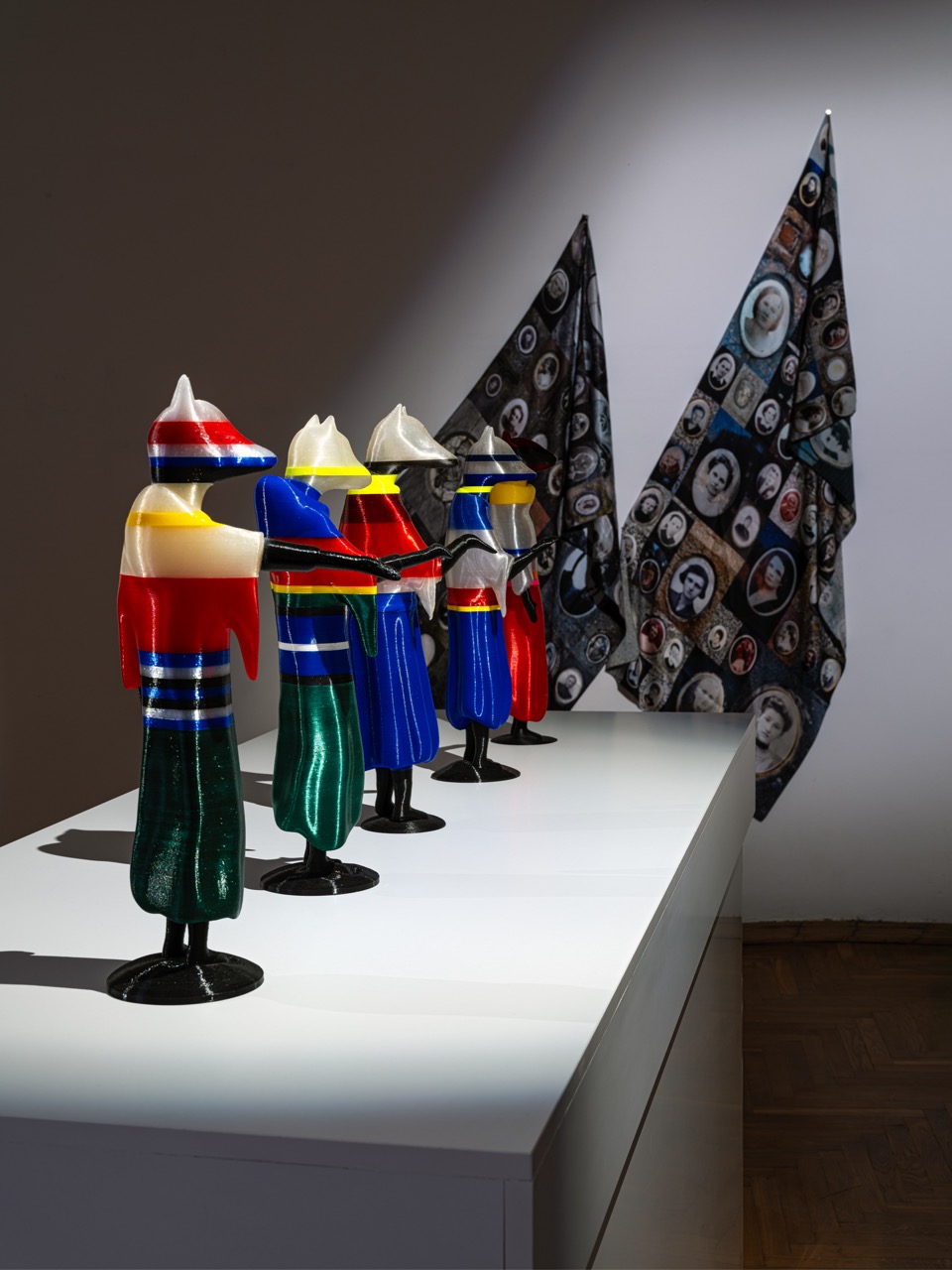
The exhibition “Un-packing: Memory Gaps” was held at the Warsaw Dramatic Theatre as part of the Fringe Warszawa festival. The project brought together Belarusian and Polish artists around themes of historical memory, Podlasie identity, displacement, repression, and the contemporary experience of exile. Curator: Olga Mzhelskaya.
The Club joined the project's supporters and became one of its partners.
Works by Belarusian artists were presented at a major Polish theatre institution alongside Polish authors, and the project created space for further dialogue between the cultural circles of the two countries
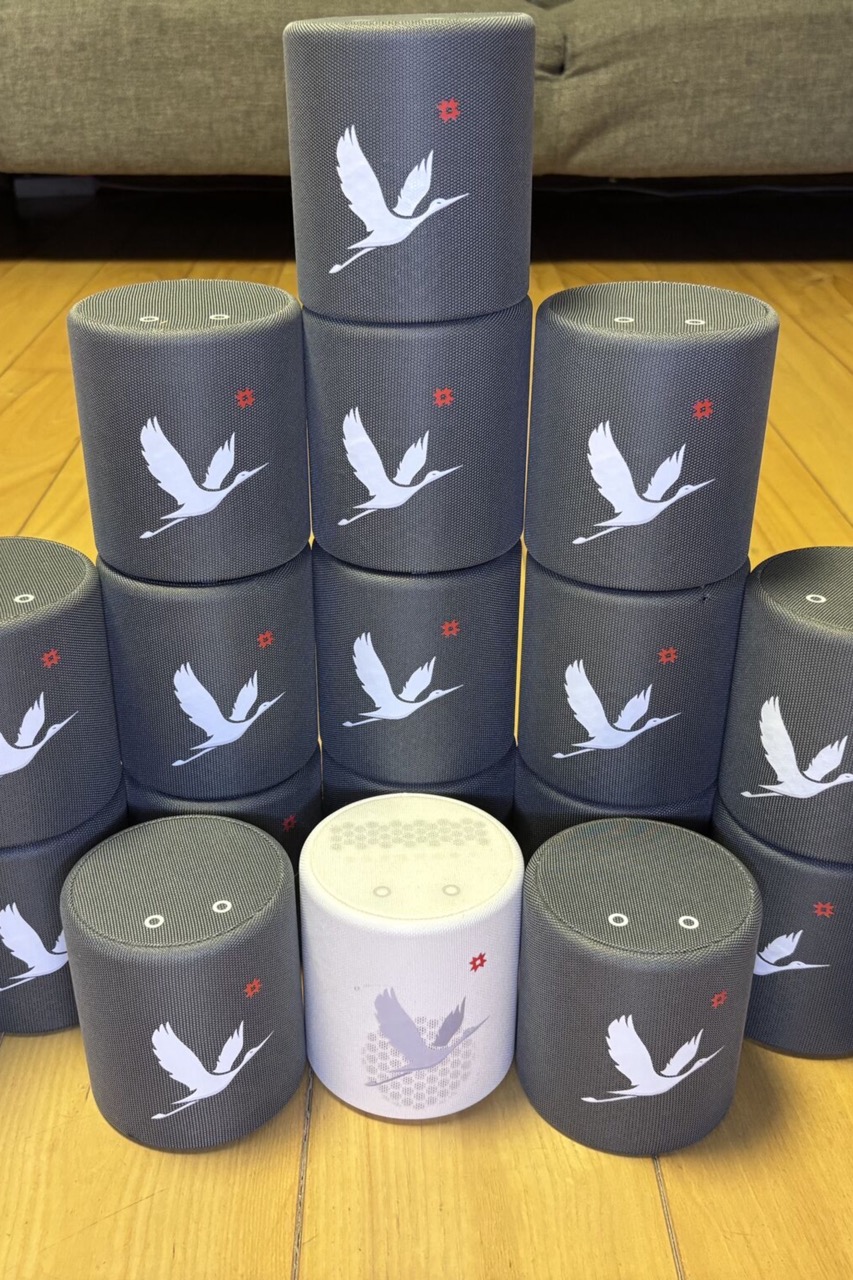
HOLAS is a Belarusian-language voice AI companion being developed as a daily assistant and a gateway to Belarusian-language content. The project works with a voice interface, books, music, news, and other integrations. Its team aims to make the Belarusian language a natural part of the modern technological environment.
The Club supported the project's development at the stage of work on the product and its technological foundation.
The team has created operational device prototypes and continues to develop the Belarusian-language voice interface and the project's software.
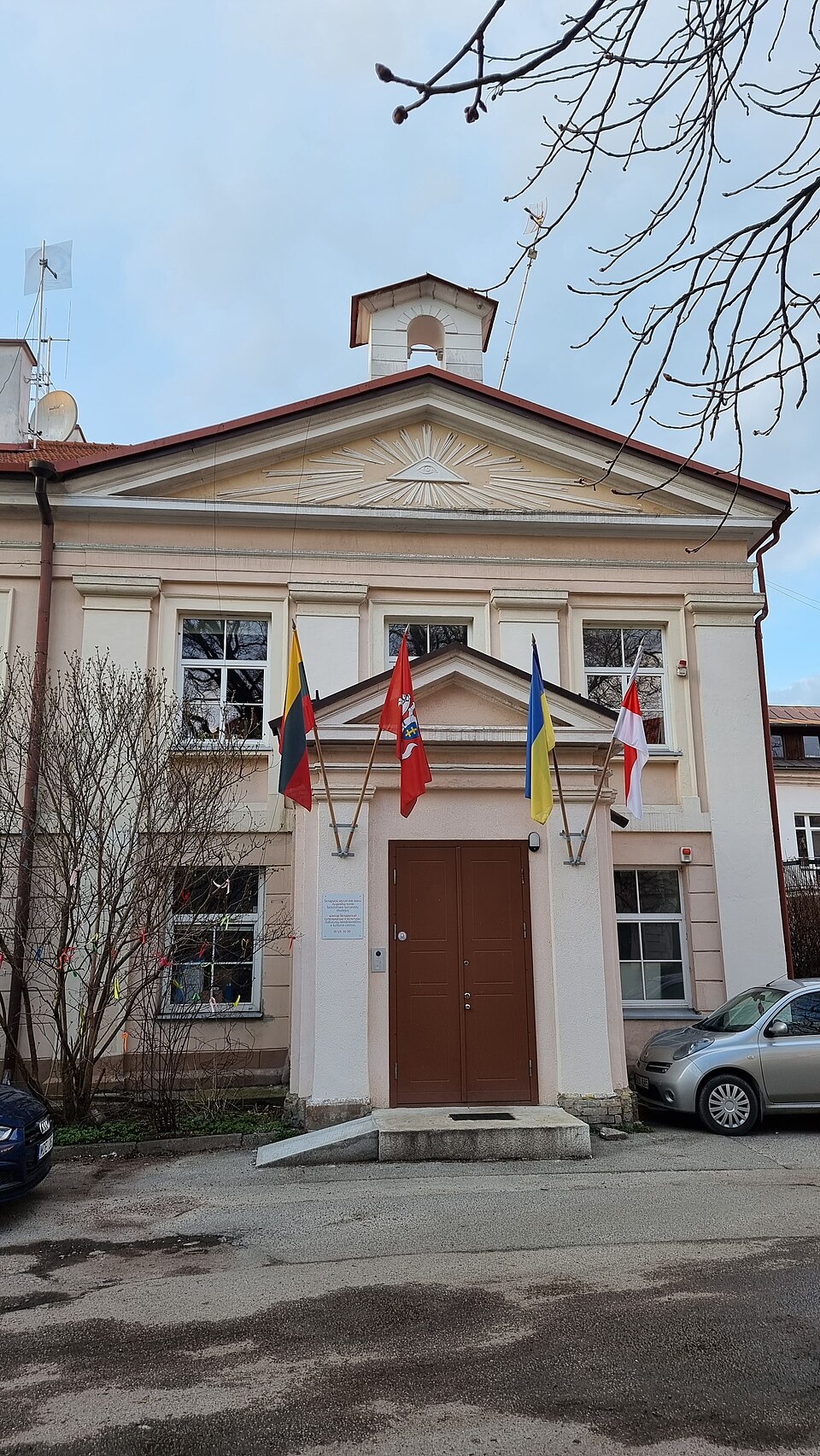
The Belarusian School in Vilnius has been operating since 2021, creating an educational environment for Belarusian children living in Lithuania. In classes, children study the Belarusian language and history, engage in creative activities, and maintain their connection with Belarusian culture and community.
The Club supported the school's work and its ability to continue educational activities for Belarusian children in Vilnius.
The support helped the school continue operating and preserve children's access to the Belarusian language, history, and culture in emigration. The project continues to run classes for various age groups.
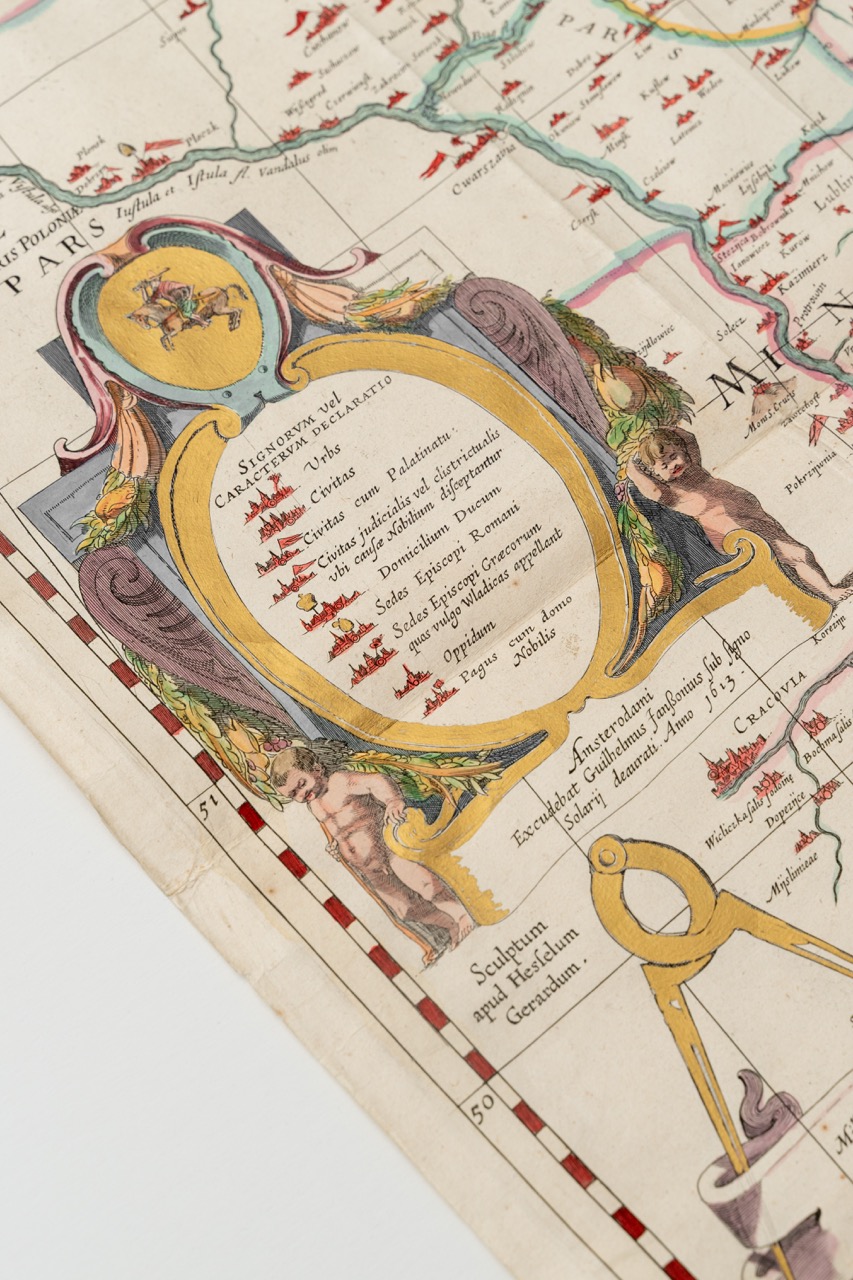
The map of the Grand Duchy of Lithuania was created at the initiative of Mikołaj Krzysztof Radziwiłł the Orphan and first published in Amsterdam in 1613. It became one of the most significant cartographic works of its time, depicting over a thousand settlements. The copy acquired by a Club patron comes from the 1649 Amsterdam atlas.
One of the Club's patrons acquired an original copy of the map and donated it to the Club's collection.
The historical artefact was brought back into a Belarusian cultural context and became the central artefact of the «Flying Museum» – a series of lectures by Cimafei Akudovich on the history of Belarusian cartography.
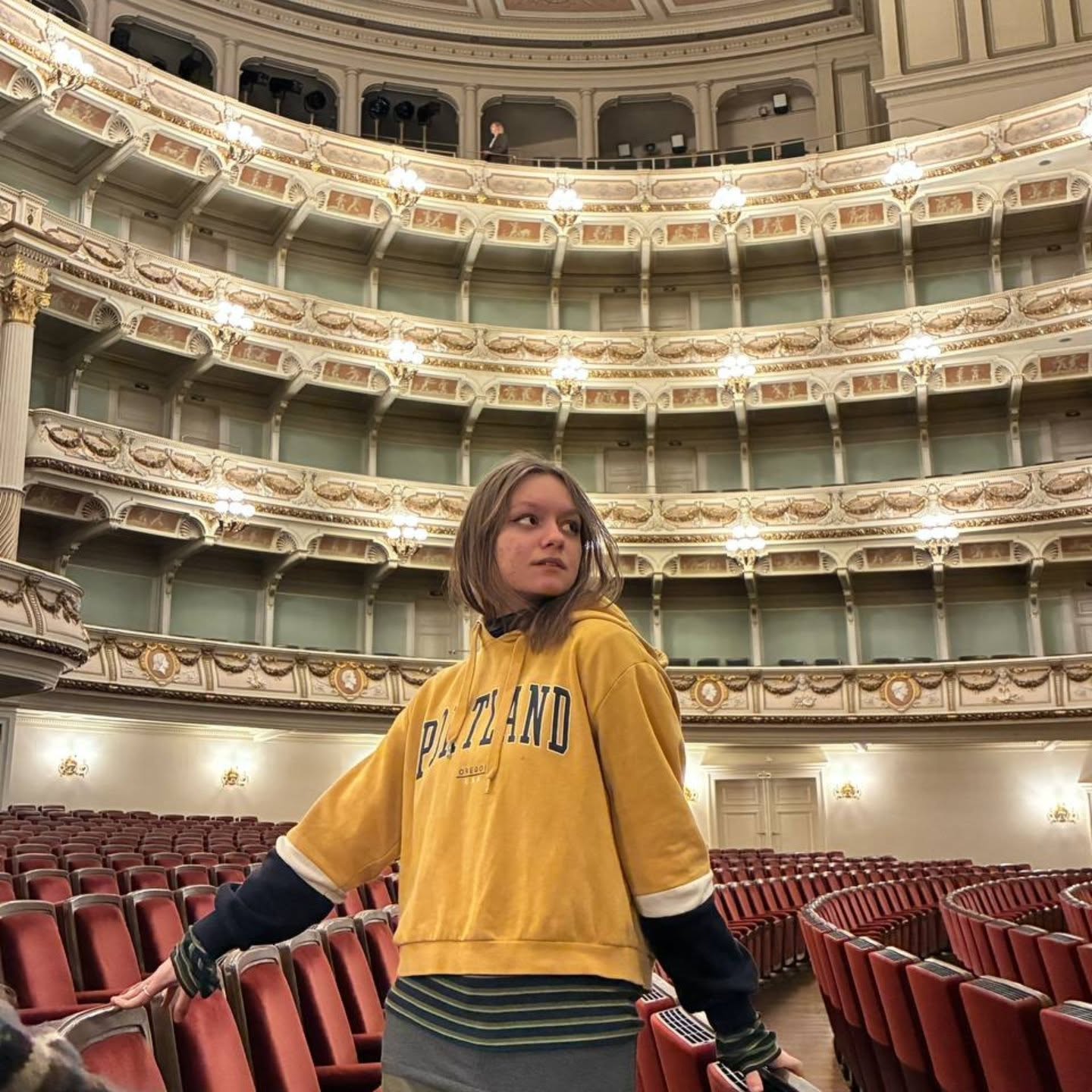
«Letapis» is an album by Belarusian singer Justyna Karpilovich, including songs set to poems by Angela Espinosa Ruiz, Tatsiana Sapach, Antanina Chatenka, and an author writing under the pseudonym Tadevush Karas. The album brings together a range of themes and emotional states — from love and freedom to fear, loss, and hope.
The Belarusian Patrons Club supported the creation and release of the album.
The album was recorded, released, and made available on music platforms. Following its release, Justyna Karpilovich won the performers' competition at the 30th-anniversary «Jesień Bardów/Bardaŭskaja Vosień 2025» festival in Bielsk Podlaski.
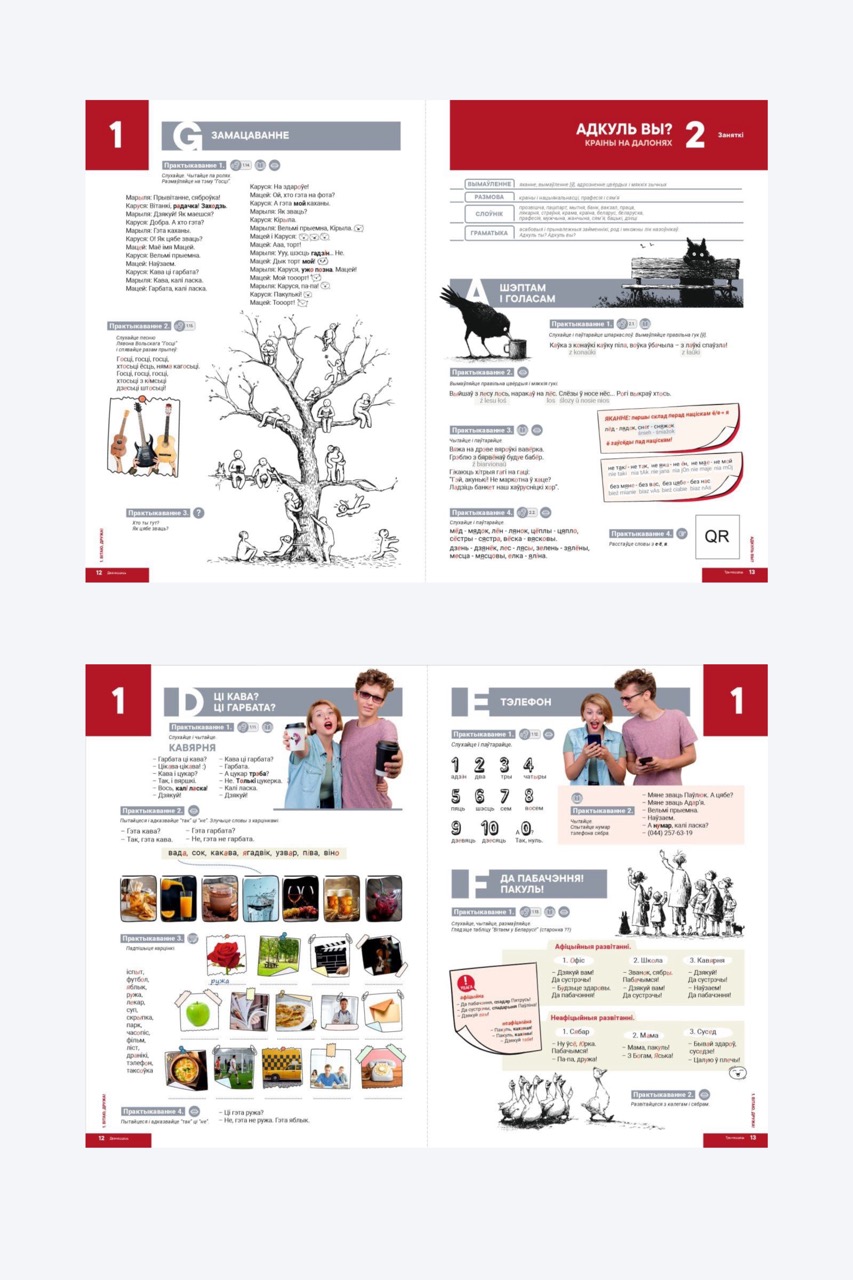
The project involves creating a modern Belarusian-as-a-foreign-language textbook for different proficiency levels according to the CEFR framework. It is being developed by Belarusian specialists with teaching experience in Belarus and European countries. The materials are being prepared for print and digital formats and include illustrations, infographics and audio materials.
The Club supported work on the new educational publication for learning Belarusian as a foreign language. The textbook is being prepared for publication.
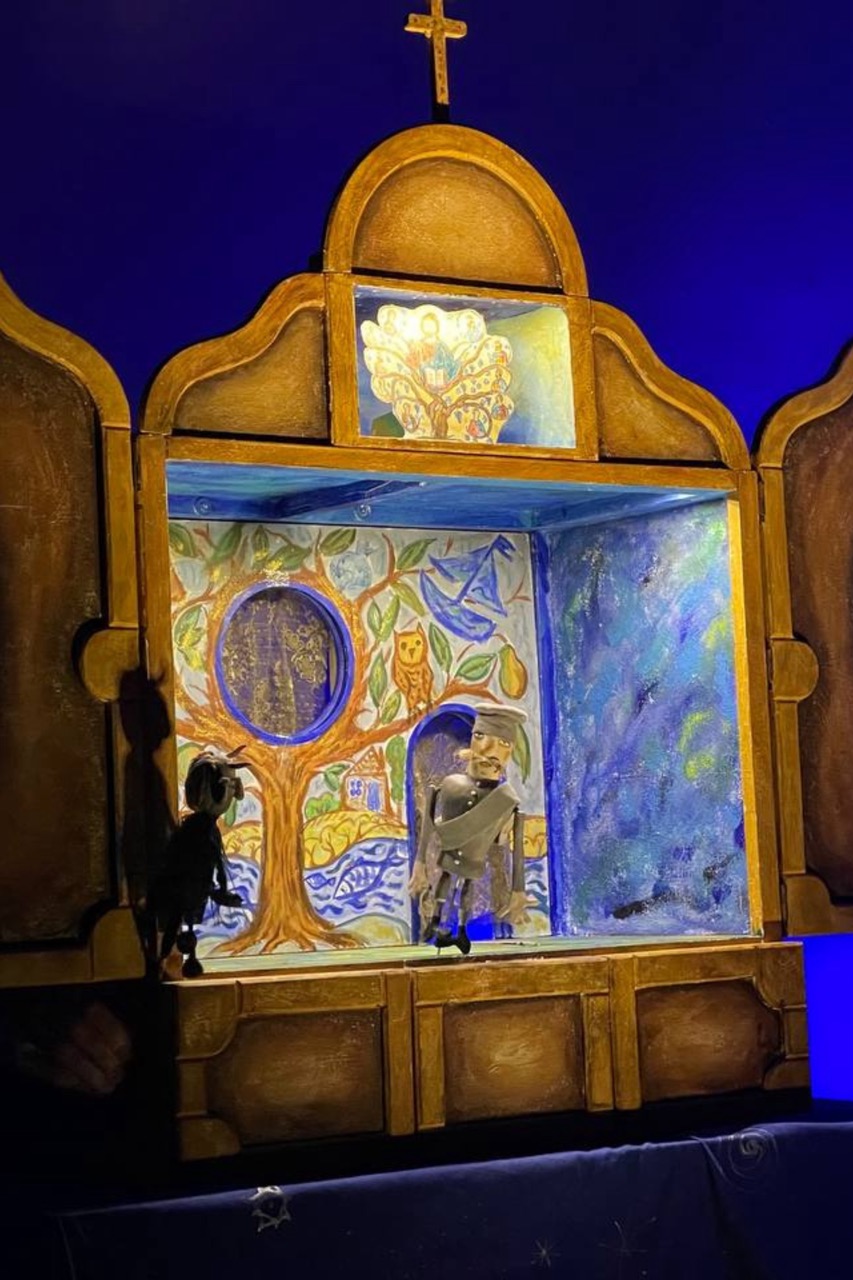
«The Soldier and the Devil» is a batleyka interlude based on the tradition of Belarusian folk theatre. The performance is presented by actor and artistic director of the international “Niabiosy” batleyka festival Aliaksandr Zhdanovich. The musical accompaniment was created by Piotr Marchanka and Nasta Piatrоva, and the text was compiled by Kanstantsin Pietryman.
The Club supported the creation and production of the batleyka performance.
The premiere of «The Soldier and the Devil» took place on 1st February 2025 at the Free Belarus Museum in Warsaw. The performance subsequently continued its stage life and was presented to Belarusians in cities across Europe and the United States.
Клуб – гэта закрытая супольнасць з гадавым фарматам удзелу, афіцыйным афармленнем, унутранай камунікацыяй, закрытымі сустрэчамі і атрыбутамі ўдзелу. Асноўны фармат Клуба – сістэмны ўдзел у падтрымцы беларускай культуры. Пры гэтым можна падтрымаць асобны праект разава, без далучэння да Клуба.
Клуб падтрымлівае праекты ў сферы культурнай спадчыны, літаратуры, адукацыі, даследаванняў, мастацтва, міжнароднай бачнасці беларускай культуры і развіцця культурнай інфраструктуры. Нам важныя праекты, якія маюць культурную каштоўнасць, ясную мэту, прафесійную каманду і патэнцыял доўгатэрміновага ўплыву.
Каманда Клуба аналізуе культурную і грамадскую значнасць праекта, яго рэалістычнасць, каманду, бюджэт, магчымыя рызыкі і чаканы вынік. Мы імкнёмся падтрымліваць не толькі асобныя падзеі, але і праекты, якія ўмацоўваюць культурную інфраструктуру і ствараюць доўгатэрміновую каштоўнасць.
Так. Мецэнат можа выбраць канкрэтны праект або кірунак, які яму блізкі. Каманда Клуба можа таксама прапанаваць некалькі праектаў у залежнасці ад інтарэсаў мецэната, бюджэту і жаданага фармату ўдзелу.
Так. Разавая падтрымка асобнага праекта магчымая без гадавога ўдзелу ў Клубе. Гэта асобны фармат для тых, хто хоча падтрымаць канкрэтную культурную ініцыятыву, не далучаючыся да супольнасці на пастаяннай аснове.
85% унёску накіроўваецца на непасрэдную падтрымку культурных ініцыятыў. 15% забяспечвае адміністрацыйную працу Клуба, суправаджэнне праектаў, камунікацыю, справаздачнасць, атрыбуты ўдзелу і арганізацыю сустрэч.
Фармат афармлення залежыць ад краіны, сумы і тыпу падтрымкі. Каманда Клуба дапамагае прайсці неабходныя этапы і ўзгадніць найбольш адпаведны спосаб пералічэння сродкаў.
Так. Пасля завяршэння праекта мецэнат атрымлівае інфармацыю пра вынікі і выкарыстанне падтрымкі.
Так. Удзел у Клубе можа быць цалкам ананімным. Мы не раскрываем імёны ўдзельнікаў без іх згоды. Пры неабходнасці магчымы фармат удзелу без камунікацыі з іншымі ўдзельнікамі.
Да Клуба могуць далучацца людзі, якія хочуць сістэмна падтрымліваць беларускую культуру і падзяляюць прынцыпы адказнага мецэнацтва. Прафесія, краіна пражывання або досвед у культурнай сферы не маюць вырашальнага значэння.
Удзельнікі Клуба – людзі розных прафесій, якія жывуць у розных краінах і маюць розны досвед. Іх аб’ядноўвае разуменне каштоўнасці беларускай культуры і жаданне падтрымліваць яе доўгатэрмінова.
Першы крок – кароткая размова з камандай Клуба. Падчас яе можна даведацца больш пра мадэль працы, фарматы ўдзелу, актуальныя праекты і выбраць найбольш адпаведны спосаб далучэння.
Асноўны фармат – удзел на адзін год. Пасля завяршэння гэтага перыяду ўдзел можна працягнуць.
Можна далучыцца да Клуба на год, выбраўшы адпаведны ўзровень удзелу, або разава падтрымаць канкрэтны праект. Для кампаній таксама магчымы асобны фармат супрацоўніцтва.
Так. Клуб працуе не толькі з прыватнымі мецэнатамі, але і з кампаніямі. Фармат карпаратыўнага ўдзелу вызначаецца індывідуальна ў залежнасці ад мэт, бюджэту і жаданага ўзроўню ўключанасці.
Удзельнікі атрымліваюць доступ да закрытай камунікацыі з экспертамі, сустрэч з творцамі, прэзентацый праектаў, запрашэнні на закрытыя мерапрыемствы і інфармацыі пра культурныя працэсы. Клуб таксама дапамагае арыентавацца ў культурным полі і знаходзіць праекты, якія адпавядаюць асабістым інтарэсам мецэната.
Так. Для мецэнатаў Клуб арганізуе закрытыя сустрэчы ў розных краінах, размовы з творцамі і экспертамі, прэзентацыі праектаў і іншыя падзеі для ўдзельнікаў. Яны дапамагаюць лепш разумець культурнае поле, знаёміцца з людзьмі, якія яго фарміруюць, і бачыць вынікі сваёй падтрымкі.
Магчымасць падатковых ільгот залежыць ад краіны рэзідэнцтва і формы ўдзелу. Клуб працуе праз афіцыйныя формы супрацоўніцтва і можа дапамагчы абраць адпаведны спосаб афармлення.
Каманда праекта можа накіраваць кароткае апісанне ініцыятывы, бюджэт, тэрміны, інфармацыю пра каманду і патрэбны аб’ём падтрымкі на кантактны адрас Клуба. Наяўнасць звароту не азначае аўтаматычнага фінансавання. Кожны праект разглядаецца асобна.
Наступны этап – стварэнне больш устойлівай і доўгатэрміновай фінансавай асновы для беларускай культуры. Адзін з магчымых кірункаў развіцця – эндаўмент: капітал, які захоўваецца і працуе на падтрымку культуры на працягу гадоў і дзесяцігоддзяў.

